The traditional nursery rhyme is among many festive traditions we observe at Christmas. Most businesses as well as charities and families embrace the time to reflect, relax and rejoice.
Despite uncertainties in economies worldwide, the festive atmosphere is alive and well across South West Wales. The Welsh are a joyful and generous people and enthusiastic singers, with their choirs celebrating Christmas carols, concerts and musicals across the land.
Welsh Tradition
Christmas food traditions in Wales may now be virtually indistinguishable for most of those across the British Isles, but until recently the festive period was celebrated in quite a different way. Some of the traditions and Christmas songs are still enjoyed today.
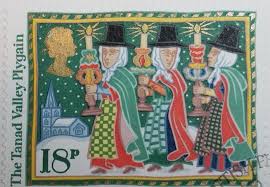
One of Wales’ most distinctive and community focussed Christmas traditions is the Plygain service, whose name in Welsh implies ‘daybreak’. The Plygain is an unaccompanied, spontaneous carol service traditionally held in churches very early on Christmas morning. The services were then followed by feasting and carousing.
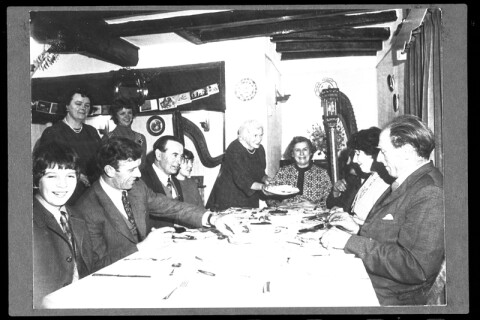
In the early 20th century the tradition in rural Wales was to share games, puddings and hams after the Plygain service while folk waited for the goose to roast. Much of the detail has now changed and the Christmas morning post Plygain feast has mutated into a Plygain supper, but still widely held straight after Plygain services across Wales.
In 1895, an American traveller to Dolgellau (North Wales) recorded the variety of voices lifted in song and carols and voices:
‘Prayers over, the singers begin again more carols, new singers,
old carols in solos, duets, trios, choruses then silence in the audience,
broken at appropriate pauses by the suppressed hum,
of delight and approval, till between 8 and 9, hunger telling on the singers,
the Plygain is over and the Bells strike out a round peal.
The oatcakes in the Browas, the swig, the strong ale, the cakes,
the cold meats are soon being ravenously devoured at Dr Williams’
and all his neighbours’ houses, far and wide,
the young ones afterwards going to football and ball playing,
the other ones criticising the carols
till church time and dinner come round,
when feasting finishes the day.’
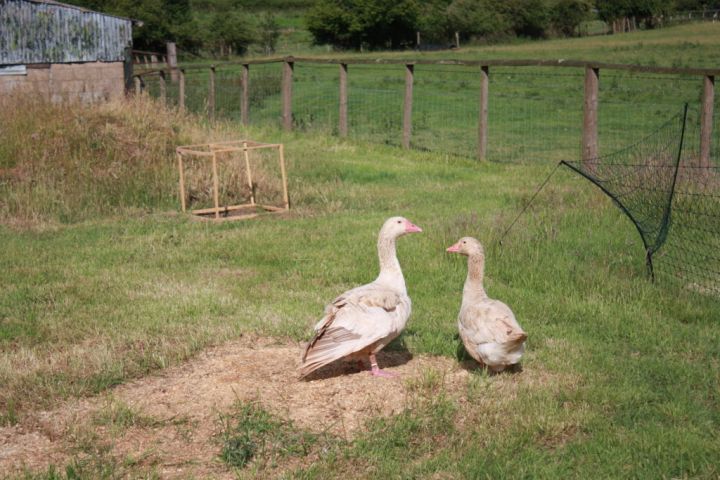
Though by no means unique to Wales, the tradition of killing a goose for the Christmas dinner remained popular into the 1980s a good two hundred years after Christmas turkeys were first mentioned in Wales. Wales has its own native breed of goose – the Brecon Buff as illustrated, which is now classified as a rare breed. These geese were an integral part of many traditionally mixed farms’ household economies.1
While we enjoy our Christmas tradition of Carols, fattening Christmas geese and general celebration, it is a good time to reflect on future growth and development, and the benefits of location change.
Reflect and enjoy the rich cultural heritage of Parc Felindre South West Wales and celebrate a new bespoke build served just to your liking. Build bespoke at Parc Felindre.

Reserve your new bespoke heritage right here at https://parcfelindre.co.uk/en/site-plan.
References
1 https://nation.cymru/culture/goose-and-plygain-welsh-christmas-food-traditions/
Photographs / images courtesy of:
- Brecon Buff goose and gander https://nation.cymru/culture/goose-and-plygain-welsh-christmas-food-traditions/
- Plygain supper at Cefn Llwyn Farmhouse, Llangynyw (Amgueddfa Cymru/Museum Wales)
- Facebook Gareth Jones / stamp