In the global environment of geographical, political and economic challenges there is a strong case for business to adopt sustainability. Supported by data1, it is more important than ever to create long-term business success by prioritising a responsible approach to the environment and those who live in it. At its core, a sustainable business model prioritises three main pillars: economic viability, environmental responsibility, and social equity.2
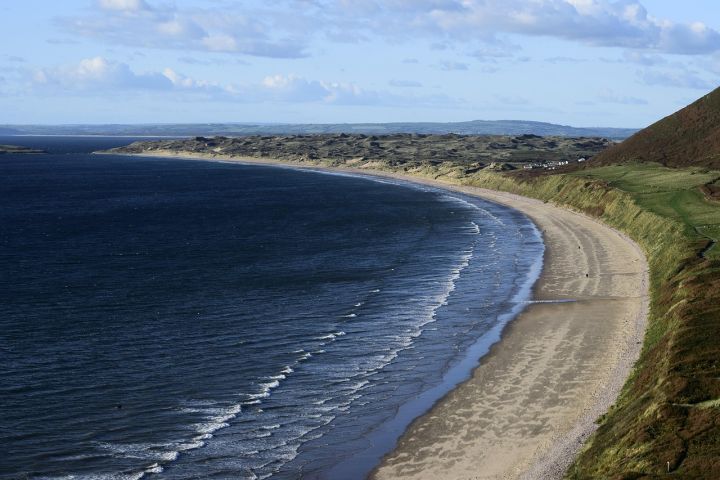
Sustainable Business Models in Swansea
In the bustling city of Swansea, the “sustainable business model” has become a vital subject, breathing new life into its environment as a whole. Business is benefitting the community in more ways than one by introducing eco-friendly practices into day-to-day operations. A sustainable business model prioritises three main pillars:
- economic viability
- environmental responsibility
- social equity.
Swansea, with its rich natural landscapes and cultural heritage, requires businesses to adopt practices that safeguard local resources while supporting economic growth. This approach leads to long-term benefits for the environment and society whilst ensuring compliance with safe guarding regulatory standards.
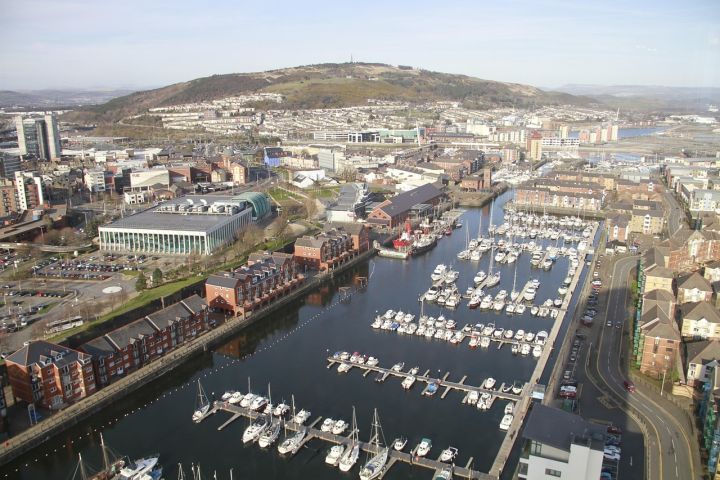
To grow their sustainable ethos, Swansea enterprises are embracing renewable energy sources, waste reduction strategies, and ethically sourced materials. Additionally, they are forming partnerships with government bodies and environmental organisations to promote sustainable practices. This collaboration helps to mitigate environmental impact while fostering economic resilience, a fruitful collaboration which grows sustainable business success.
In Swansea, businesses are required to obtain necessary permits that ensure their operations meet the expected environmental standards. Companies need to incorporate sustainability into their operations such as, reducing the carbon footprint, conserving energy resources, and adhering to waste disposal norms. All such actions build their business brand reputation and develop potential customer base. Staying ahead, means staying updated on these vital regulatory changes. Authorities and local councils offer comprehensive guides to ensure enterprises are well-informed. Industry newsletters and workshops also keep business updated about regulatory compliance.
Managing resources efficiently reduces waste and energy consumption, especially important with increasing energy costs, and can make significant improvement to the bottom line. Renewable energy sources, recycling and sourcing from local and environmentally conscious suppliers all enhance cost savings, lower carbon footprint and reduce costly transport expenses and emissions. Employee incentives and appropriate staff training ar also key to growing a successful culture of sustainability. Every member of the business needs to endorse the programmes.
Swansea business is addressing these environmental challenges whilst thriving economically, inspiring other enterprises and encouraging community involvement. Swansea council is keen to collaborate with business to promote these green energy projects, to enhance production efficiency, to increase resource awareness and to develop community collaboration. Overall this is a win win for business, the environment and sustainability.
Ultimately, by utilising tools, training and resources, any organisation can make informed decisions and foster a culture of sustainability that not only complies with regulatory requirements but also genuinely contributes to environmental stewardship.
The Benefits of Sustainability
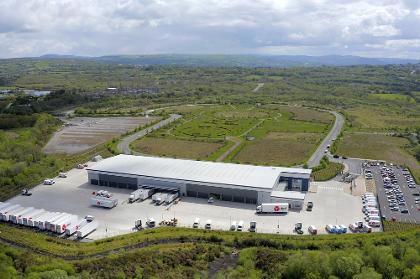
Parc Felindre exemplifies the transformation from obsolete tin works to sustainable business land use. Discover the business scope of Parc Felindre for economic viability, environmental responsibility, and social equity.
Contact our agents direct for more information on Business Land with a difference. Available NOW!
References
1 2025 Edelman Trust Barometer
2 https://leadinnovate.org/key-components-for-developing-an-eco-friendly-business-model-for-swansea-enterprises.html
Photographs courtesy of:
Parc Felindre image from Swansea Council website /regeneration projects
https://www.swansea.gov.uk/regeneration?lang=en