What does Biophilic City Status mean for Swansea and its businesses? “Biophilic design focuses on those aspects of the natural world that have contributed to human health and productivity in the age-old struggle to be fit and to survive,” Stephen Kellert.
The renowned social ecologist Stephen Kellert (1943-2016) was a pioneer who developed the theory of Biophilia and the idea of Biophilic Design in the 1980s. The definition above comes from an article he wrote for Metropolis in 2015, to clarify the core tenets of biophilic design. Now updated, links can be made to project case studies, product solutions, and inputs from experts on What’s Next in Biophilic Design.1
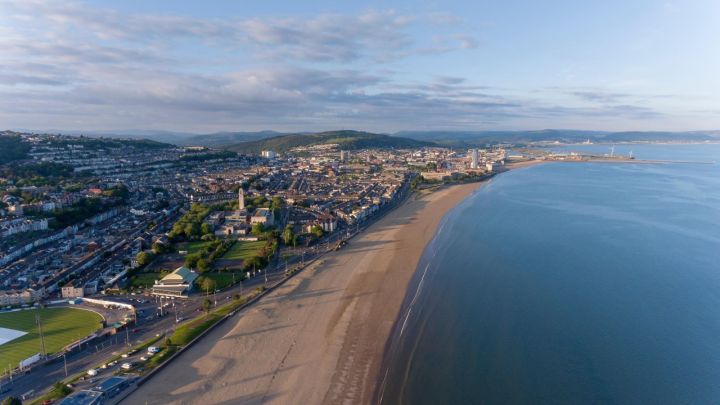
Biophilic Design draws on biological systems and the application of nature to aspects of living, working and being, so that human health and well being will benefit. The concept applies to all aspects of life, but it is significant that the vision for Swansea to be a ‘biophilic city’ will apply to businesses and residents both in the city and its surrounding regions.
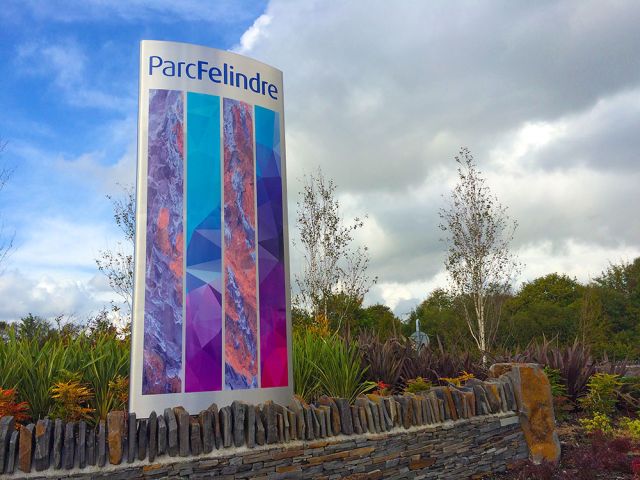
Parc Felindre is imbued with a naturally ‘biophilic’ location. The designated business land is surrounded by a pleasant rural setting, enhanced by bespoke building opportunities and aesthetic landscaping. Businesses that move to this quality space will benefit from stunning rural landscapes, yet enjoy immediate access via junction 46 to the M4 – the convenient gateway to city business centres London, Bristol, Swindon and Cardiff in the west and Birmingham and Manchester further north.
Biophilic design, driven by policy change and culture change, has the potential to improve wellbeing at both individual and community level, driving the regenerative design economy and contributing to net zero and biodiversity. Examples in Wales include The Swansea Biophilic Living Building (BIOSWA) project in Swansea.2
This is newest skyscraper in the city and is taking shape in its heart. It looks impressive. Swansea Council has said the construction of this new ‘living building’ is set to be complete by the end of summer 2026. Powered by solar energy and an ‘air source heat system’, the building is said to consume five times less energy than one powered by traditional gas boilers. The construction work for this new building is well underway, regenerating the old Woolworth’s site.
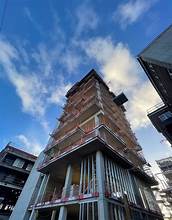
The new ‘living building’ development is being led by Swansea-based Hacer Developments and funded by a combination of private sector funding, the Welsh Government's Innovative Housing Programme, Pobl and the Development Bank of Wales.
Nestled within Swansea’s city centre, the Bioliphic living building will accommodate up to 500 people and create jobs and homes. It is the first to be built under the project and includes an urban-style greenhouse set over four floors, an education facility featuring an aquaponic system, rooftop gardens, wildflower borders and green spaces, nine floors of apartments to be managed by Pobl, close to 32,000 square feet of commercial floor space for businesses, retail spaces, a landscaped courtyard, and a bio-solar roof with ambient loop heating and sustainable drainage systems. Solar panels on the roof with the ‘air source heat system’ will power the building on completion. It provides stunning views over the city and Swansea Bay that future occupants will enjoy.
Hacker Developments describe Biophilia as “our affinity, as human beings, to the natural world. The Biophilic Living project incorporates this into the building's design and development, allowing the community to reconnect with nature, in an urban environment and the new building will connect residents and workers to nature.”3
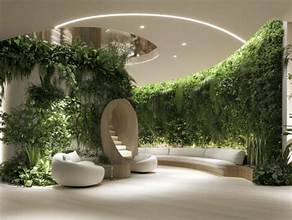
Studies have revealed that there are many benefits of bioliphic design, in terms of social dimension, healthcare settings and workforce environment. Practically it can increase workplace satisfaction, improve productivity, and enhance employee engagement.4
In line with other environmentally responsible policies, plans and projects, the city of Swansea is endorsing her support for nature in urban life by applying for ‘Biophilic City’ status. Swansea City is sharing the application with Natural Resources Wales, Swansea Council and Swansea University.
Swansea is committed to sharing the educational, innovation and environmental best practice benefits amongst business, residents and the places of learning, so the application reflects this ‘joined up’ approach. If successful, Swansea would join a growing number of international cities committed to placing the natural environment at the heart of urban design, planning and wellbeing. The city wants to endorse the existing work that has improved the diversity of ‘green infrastructure’ in Swansea, such as regeneration which supports wellbeing and wildlife.
Cllr Andrew Stevens, Swansea Council's cabinet member for environment and infrastructure, said: "Swansea has an exceptional natural environment, from our coastline and marine areas to the green spaces that sit at the heart of our communities.

"Applying for biophilic city status is about recognising the value of these assets and building on the work already underway to protect and enhance them. It will allow us to learn from other cities facing similar challenges, share best practices, strengthen our approach to tackling climate change, and support the recovery of biodiversity while improving people's health and wellbeing.
"This is a long-term commitment to creating a city where nature is part of everyday life and where future generations can thrive.”5
‘Biophilic Business’ at Parc Felindre
The vision for ground breaking benefits at the heart of Swansea is endorsed by the philosophy behind the regenerated site at Parc Felindre. Offering enhanced environmental landscaping for the wellbeing of occupants, Parc Felindre Business Land is potentially ‘bioliphic’ for your business bespoke build. You too could enjoy the best of both worlds - escaping from the urban grind and contributing to environmental growth.
Contact our agent direct for more information on Bespoke Business Land with ‘Bioliiphic Potential’ available NOW!
References
1 https://metropolismag.com/viewpoints/what-is-and-is-not-biophilic-design/
2 https://biophilic.wales/
3 https://www.walesonline.co.uk/
4 https://www.sciencedirect.com/science/article/pii/S2352250X25000624
5 https://www.insidermedia.com/news/wales/swansea-set-to-apply-for-global-biophilic-city-status
Photographs courtesy of
https://www.insidermedia.com/news/wales/swansea-set-to-apply-for-global-biophilic-city-status
Bioliphic living building Image: Hacer Developments
https://www.walesonline.co.uk/
illustrarch.com
How Biophilic Design is Transforming Urban Spaces for Healthier City …
Hacer Developments
https://www.walesonline.co.uk/news/wales-news/biophilic-living-picton-yard-swansea-19988846